


INNOVA 2027
International Conference on Innovation, Business and Digital Transformation (INNOVA 2.0)
Transform. Sustain. Thrive. Reimagining Business and Society in an Era of Accelerated Digital Transformation
26th and 27th Feb 2027
Co-Organized by- Genotypic Technology Pvt. Ltd, Bengaluru
Organizing Committee: School of Management, Bhubaneswar
Centurion University of Technology and Management (CUTM), Odisha
Sponsorship by
Anusandhan National Research Foundation (ANRF), Government of India.
ABOUT THE UNIVERSITY
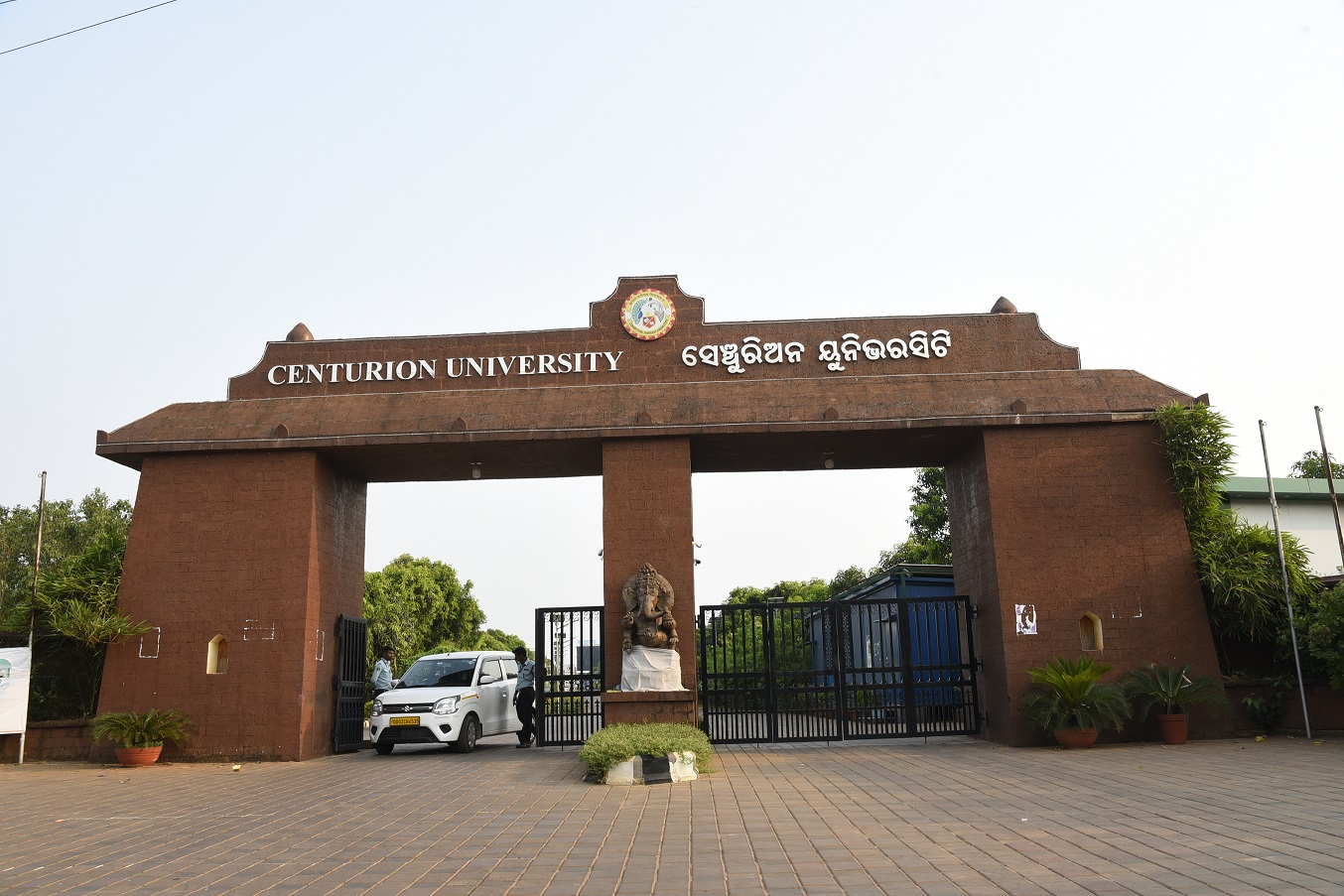
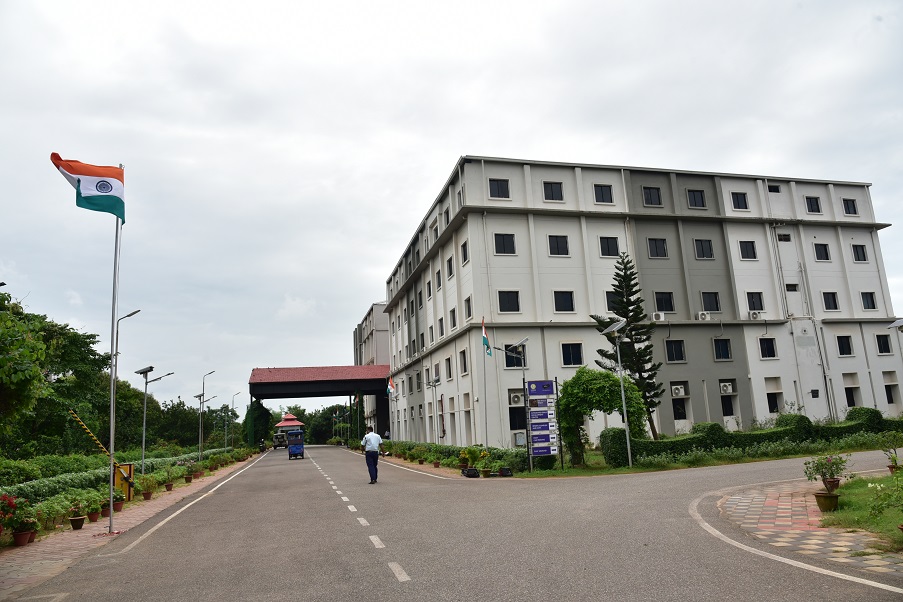
Centurion University of Technology and Management (CUTM), Odisha is accredited with NAAC A+ grade and is a notified skill university by the Odisha government and a Centre of Excellence recognized by the union ministry of skill development. The journey of Centurion University of Technology and Management (CUTM) began in the year 2005 by a group of ambitious academicians with an aspiration to provide high quality education both nationally and internationally. The first step in this direction was to take over an ailing engineering institute, Jagannath Institute for Technology and Management (JITM) in one of most challenging tribal districts of Odisha and one which was transformed into Centurion University of Technology and Management in August 2010, through an act of Odisha legislative assembly. It became the first multi-sector state private university in Odisha. It is the only university in the state which is declared as Skill University by the government of Odisha.
ABOUT THE THEME
The theme “Transform. Sustain. Thrive.: Reimagining Business and Society in an Era of Accelerated Digital Transformation” highlights the role of emerging technologies such as Artificial Intelligence (AI), Generative AI, automation, data analytics, and digital platforms in transforming businesses, economies, and society.
Transform represents the adoption of emerging technologies, digital innovation, Artificial Intelligence, Generative AI, analytics, automation, blockchain, cloud computing, digital platforms, and new business models. It recognizes that organizations must continuously adapt and innovate to remain competitive and relevant in a rapidly changing environment.
Sustain emphasizes that technological and economic progress must be accompanied by environmental responsibility, social inclusion, ethical governance, and long-term value creation. It highlights the importance of ESG, circular economy, climate action, sustainable finance, responsible consumption, green growth, sustainable business models, and inclusive development.
Thrive represents the ultimate objective of this transformation: creating resilient and responsible organizations, innovative economies, empowered communities, and societies capable of achieving sustainable and inclusive progress.

Impact and Outcomes
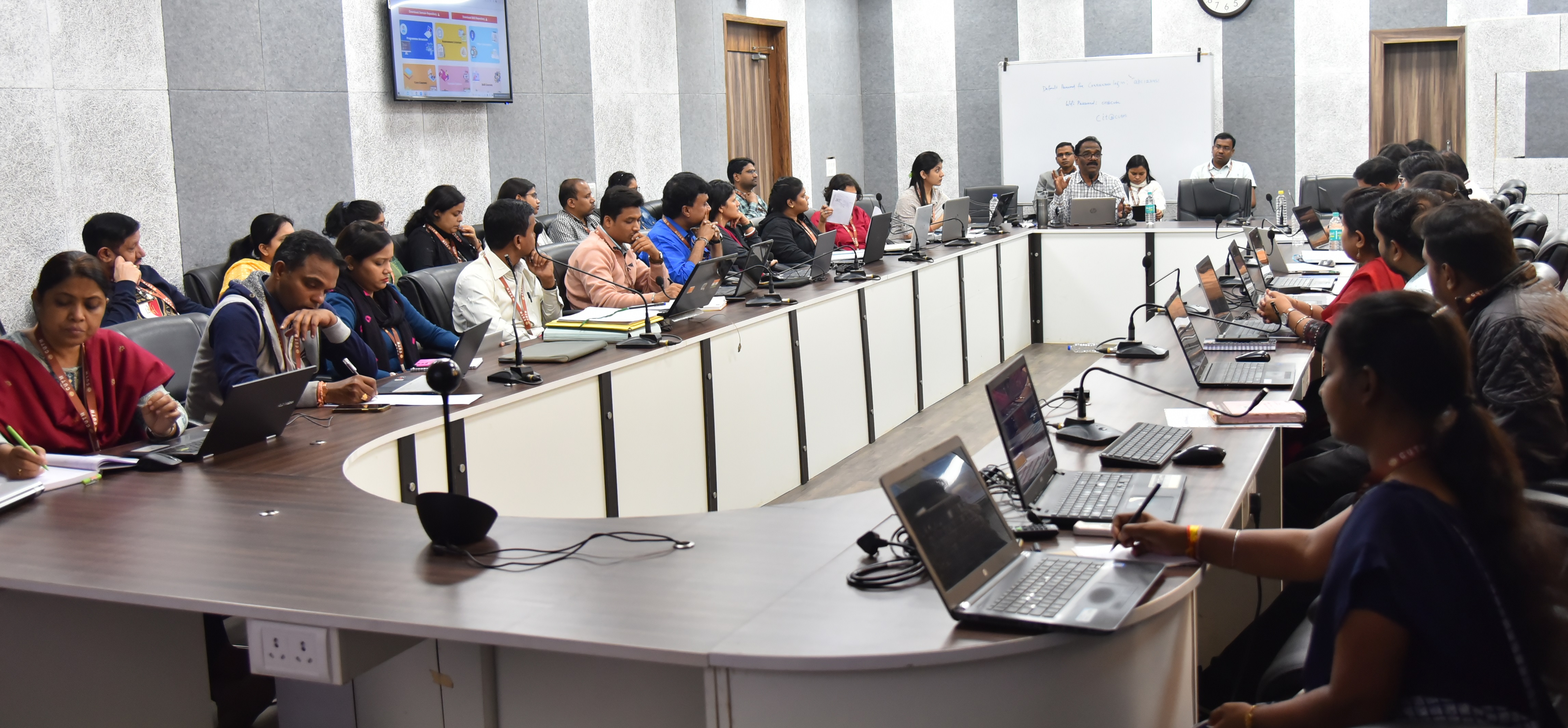
The conference aims to achieve the following outcomes:
- Knowledge Dissemination: Sharing the latest research findings with a wider audience to inspire further innovation.
- Collaborative Networks: Building partnerships among researchers, institutions, and industries for joint projects.
- Policy Recommendations: Providing insights to policymakers on the potential and challenges of emerging technologies.
- Public Engagement: Raising awareness about the societal impact of scientific and technological advancements.
ABOUT THE CONFERENCE
The rapid advancement of Artificial Intelligence (AI), automation, data analytics, and digital technologies is transforming businesses, economies, and society. These developments are creating new opportunities for innovation, productivity, competitiveness, and sustainable growth.
Against this backdrop, INNOVA 2027, an International Conference on “Transform. Sustain. Thrive.: Reimagining Business and Society in an Era of Accelerated Digital Transformation,” provides an interdisciplinary platform to explore the impact of emerging technologies on business, management, and society.
The conference will focus on digital innovation, organizational transformation, entrepreneurship, workforce development, responsible AI, sustainability, and emerging business opportunities across diverse disciplines.
INNOVA 2027 will bring together academicians, researchers, industry professionals, policymakers, entrepreneurs, and students to exchange knowledge, present research, and strengthen industry–academia collaboration towards building a technologically advanced, resilient, and sustainable future.
OBJECTIVES OF THE CONFERENCE
- Explore the convergence of digital transformation and sustainability in reshaping business, economies, institutions, and society.
- Promote interdisciplinary research and innovation across all management domains
- Examine the role of emerging technologies in improving productivity, resource efficiency, sustainable development, innovation, and inclusive growth.
- Address key challenges and opportunities relating to sustainable business practices.
- Facilitate collaboration and knowledge exchange among academia, industry, policymakers, entrepreneurs, and society to develop innovative and actionable solutions.
Call for Paper:
The Organizing Committee of INNOVA 2027 cordially invites academicians, researchers, industry professionals, policymakers, entrepreneurs, practitioners, and research scholars to submit original and unpublished research papers for presentation at the conference. Contributions are invited in the form of theoretical, empirical, methodological, case-based, and interdisciplinary research addressing contemporary issues in digital transformation, Artificial Intelligence, innovation, entrepreneurship, business management, sustainability, organizational development, and societal progress.
Publication Opportunity
Authors of accepted and presented papers will have the opportunity to opt for publication in selected Scopus-indexed journals, edited book chapters, or conference proceedings, subject to the scope, quality requirements, rigorous peer-review process, and editorial standards of the respective publisher or publication outlet.
Authors choosing to pursue publication are required to pay additional publication or processing charges, as applicable and determined by the respective publisher.
DOMAINS AND TRACKS
The conference will be organized around six major tracks, each with multiple sub-themes:
Domain I: Finance, Accounting and Corporate Governance
Track 1: Financial Innovation and Digital Finance
- FinTech
- Digital Payments
- Banking Innovation
- Blockchain & Web3
- Cryptocurrency and CBDCs
- Financial Inclusion
- Behavioral Finance
- Sustainable Finance
Track 2: Corporate Governance, Risk and Business Law
- Corporate Governance
- Enterprise Risk Management
- Cybersecurity
- Data Privacy
- Regulatory Compliance
- AI Governance
- Technology Law
- Intellectual Property Rights
- Digital Ethics
- Human Rights
Domain II: Marketing, Communication and Digital Business
Track 3: Marketing and Consumer Insights
- Marketing Strategy
- Consumer Behaviour
- Branding
- Customer Experience
- CRM
- Retail & Omni-channel Marketing
- Services Marketing
- Advertising
- Interpersonal Communication
- Communication Skill and Emplobility
- Sustainability and Corporate Communication
Track 4: Digital Marketing and Business Analytics
- Digital Marketing
- Social Media Marketing
- Creator Economy
- Content Marketing
- Marketing Automation
- Marketing Analytics
- Customer Engagement
- Social Commerce
Domain III: Human Resource Management, Entrepreneurship and Leadership
Track 7: AI, Analytics and Emerging Technologies
- Human Resource Management
- Leadership
- Talent Management
- Future of Work
- Employee Well-being
- Workforce Transformation
- Learning & Development
- Diversity, Equity & Inclusion
- HR Analytics
Track 6: Entrepreneurship and Innovation Management
- Entrepreneurship
- Start-ups
- MSMEs
- Family Business
- Innovation Management
- Venture Capital
- Technology Commercialization
- Social Entrepreneurship
Domain IV: Artificial Intelligence, Digital Transformation and Operations
Track 7: AI, Analytics and Emerging Technologies
- Artificial Intelligence
- Generative AI
- Machine Learning
- Business Intelligence
- Big Data
- Predictive Analytics
- IoT
- Cloud Computing
- Robotics
- Human-Computer Interaction
Track 8: Digital Transformation and Operations Management
- Digital Transformation
- Industry 5.0
- Smart Manufacturing
- Automation
- Supply Chain Management
- Logistics
- Procurement
- Operations Management
- Business Continuity
Domain V: Sustainability, Environment and Economies
Track 9: Sustainability and ESG
- ESG
- Circular Economy
- Corporate Sustainability
- Climate Change
- Carbon Management
- Green Marketing
- Climate Finance
- Sustainable Development Goals (SDGs)
Track 10: Sustainable and Inclusive Economic Growth in the Digital Era
- Digital Economy and Economic Innovation
- Green Growth and Climate Economics
- Circular Economy and Sustainable Business Models
- Global Trade, Geopolitics and Economic Resilience
- Labour Market Transformation and the Gig Economy
- Rural Development and Social Innovation
- Digital Governance
- Agritech
- Public Policy for Inclusive Growth
- Data Analytics and Evidence-Based Economic Decision Making
Domain VI: Education, Healthcare, Tourism and Society
Track 11: Education, Healthcare and Knowledge Economy
- AI in Education
- Educational Technology
- Digital Learning
- Skill Development
- Knowledge Management
- Healthcare Management
- Digital Health
- Health Analytics
- Lifelong Learning
Track 12: Tourism, Hospitality and Interdisciplinary Studies
- Sustainable Tourism
- Destination Branding
- Cultural Tourism
- Event Management
- Digital Inclusion
- Women Entrepreneurship
- Cross-disciplinary Research
- Emerging Trends in hospitality and tourism
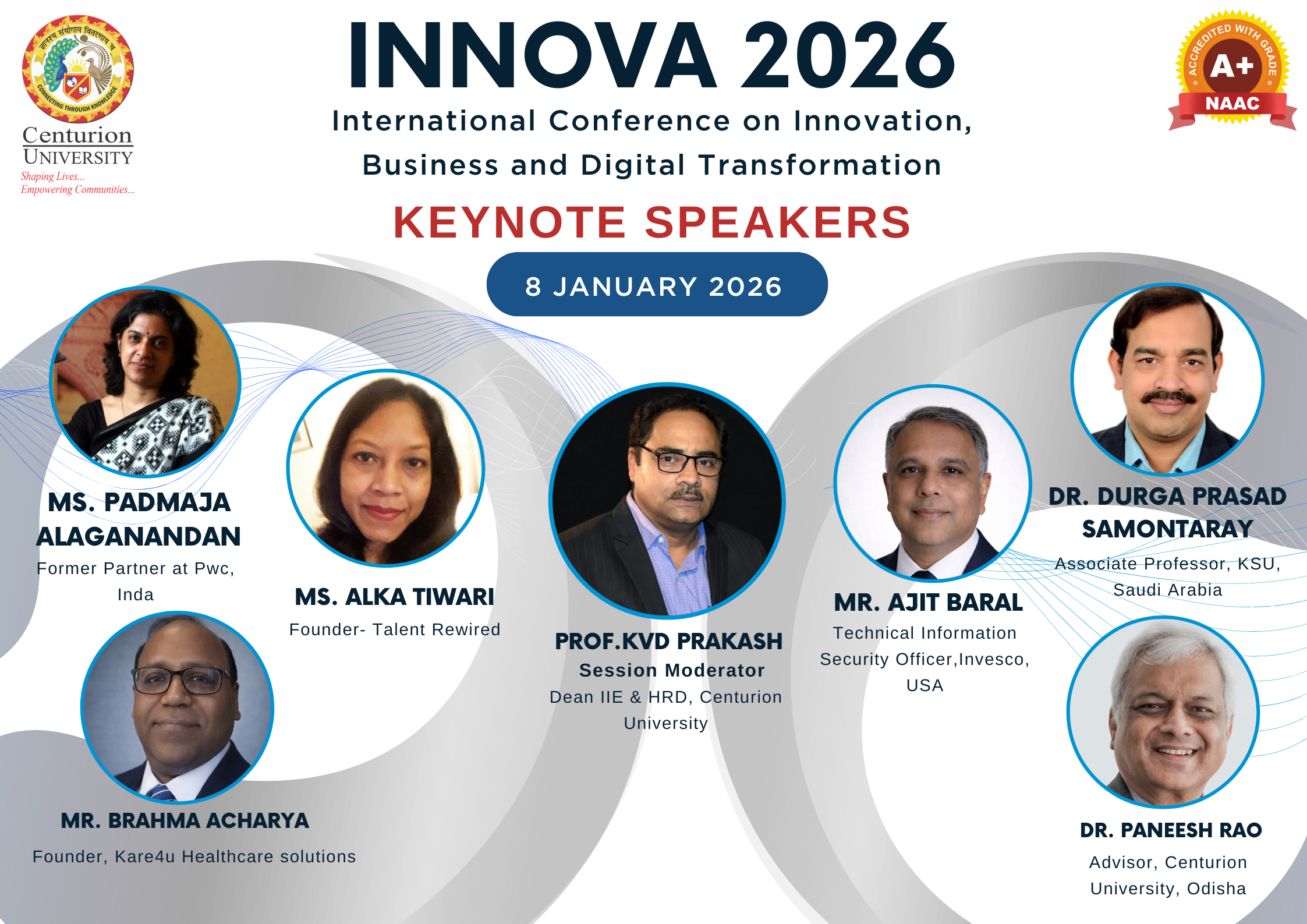
Keynote Speakers
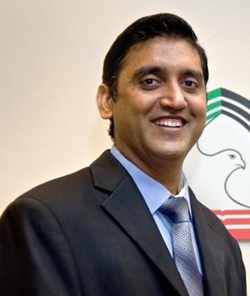
Dr. Damodharan Varadarajan Sowmya
Dr. Damodharan Varadarajan Sowmya (Dr. D) is a distinguished education leader, researcher, and innovator with over 25 years of transformative experience in curriculum development, quality assurance read more
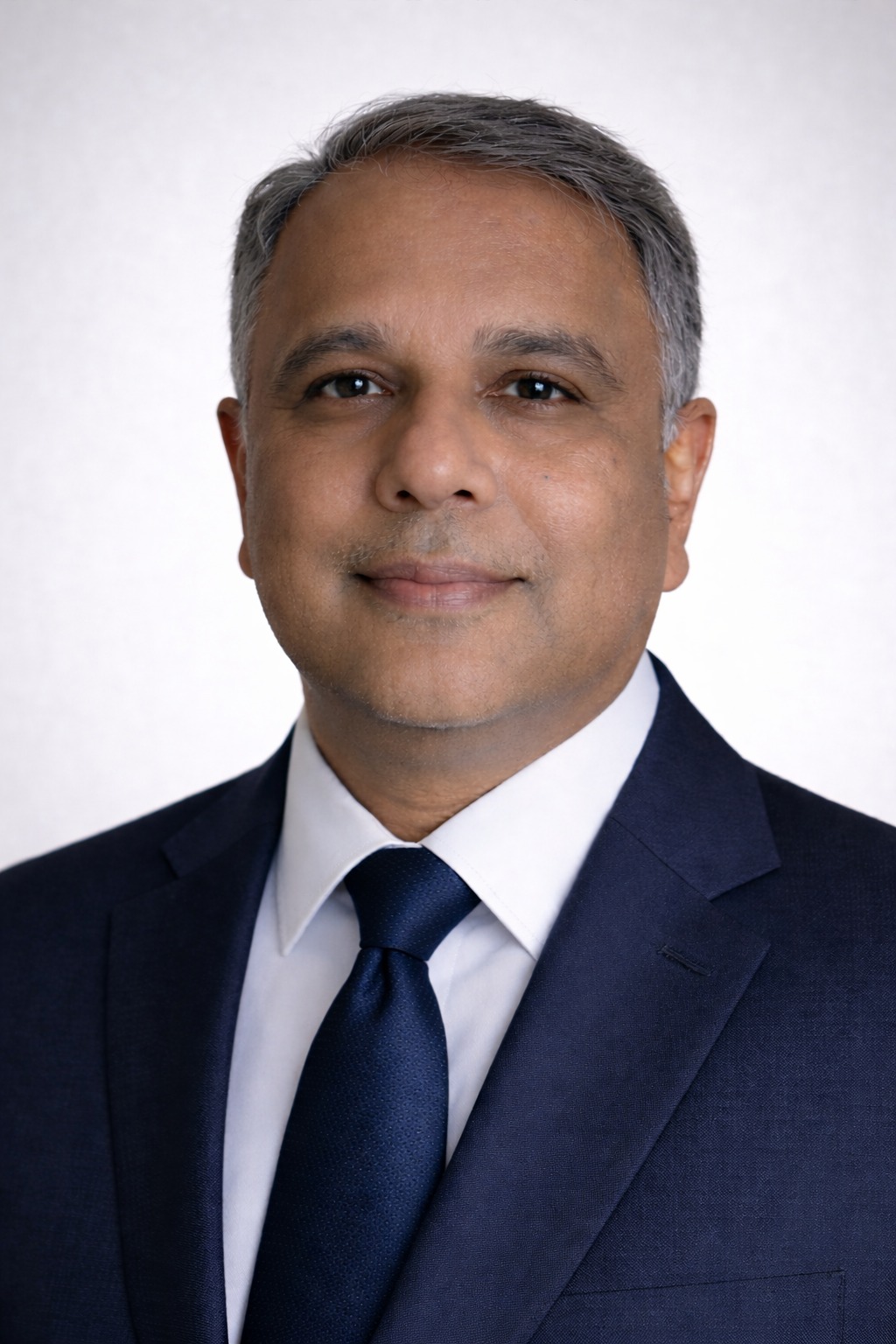
Prof. Ajit Baral
Ajit Baral serves as a Technical Information Security Officer at Invesco, USA, a global financial services organization with operations across 27 countries worldwide. He brings more than 25 years of experience in security architecture, read more
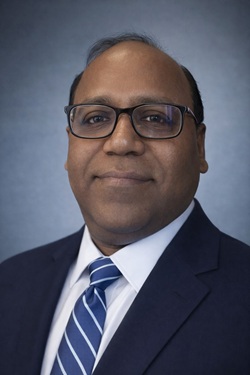
Mr. Brahma Acharya
Brahma is an industry veteran with 25+ years of experience and a track record of working at the cutting edge of technology spanning GenAI, classical AI/ML, mobile, and large-scale enterprise transformation. read more
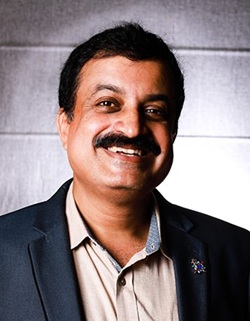
Dr. Kumar Mohanty
Dr. Kumar Mohanty, Chapter Chairman, AIMS Odisha and Director, KSOM, Prof. He is an academic leader with over 14 years of experience in industry engagement, marketing, and higher education administration. read more

Priyadarshi Mohapatra
He is an industry veteran and serial entrepreneur, currently Founder and CEO of CureBay, India’s fastest-growing rural health-tech company focused on bridging healthcare inequity through a digital-first integrated care model. read more
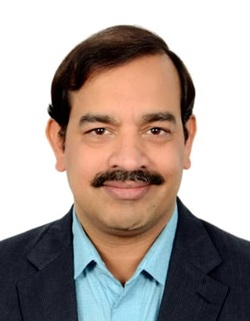
Dr.Durga Prasad
With over 28 years of international experience across academia, research, and industry, Dr. Samontaray is associated with the AACSB-accredited College of Business Administration, KSU and has played a key role in curriculum development and accreditation processes. read more

Alka Tiwari
She is a seasoned strategist and HR consultant with over 30 years of experience across HR, training, sales, and marketing. An IIM Calcutta alumna, she has held leadership roles at NIIT, Aptech, and ICICI Infotech (3i Infotech). read more
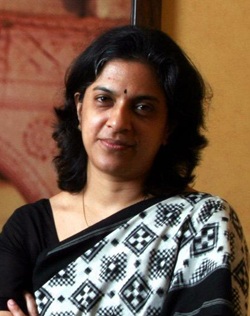
Padmaja Alaganandan
With over 30 years of experience in business and human capital consulting, she has been a part of the PwC India Leadership Team, serving in senior roles such as Chief People Officer and Head – People & Organisation Consulting, along with global leadership and diversity responsibilities. read more
Dr.Durga Prasad
Brahma is an industry veteran with 25+ years of experience and a track record of working at the cutting edge of technology spanning GenAI, classical AI/ML, mobile, and large-scale enterprise transformation. read more
Who Should Participate
Who Should Attend?
- ✓Academicians and Researchers
- ✓Industry Professionals and Entrepreneurs
- ✓Policymakers and Consultants
- ✓Startups and Innovators
- ✓Ph.D. Scholars and Students
School of Management
Bhubaneswar Campus
Centurion University of Technology and Management (CUTM)
Odisha, India
Abstract Submission
Abstracts are invited for oral/poster presentation. The abstract should be submitted in MS word format with the following specifications: Times New Roman, font size 12, 1.5 line spacing, as a soft copy. It should include the title, author(s), affiliation(s) of the authors, and keywords (4-6). It should not exceed 250 words and must be relevant to the conference theme. The soft copy of the abstracts must be sent to the email id: [email protected]
Poster Dimensions: 3’ × 4’.
All the presenters are requested to be present during the poster session to answer questions raised by the delegates viewing the posters. The posters should contain a concise title, author and author affiliation, brief abstract, introduction, methodology, results, discussion, acknowledgment, and references. The scientific committee will decide whether an abstract should be presented as an oral or poster presentation. Their decision is final and it will be communicated to each presenter in advance for her/his presentation.
ABOUT THE CONFERENCE
This Conference on Generative AI in Animal Experiments in Pharmacology represents a ground breaking convergence of two distinct fields, artificial intelligence (AI) and pharmacological research involving animal models. This unique conference brings together experts from both domains to explore the potential of generative AI techniques in revolutionizing the way pharmaceutical compounds are tested and evaluated in preclinical studies. By leveraging generative AI algorithms, researchers aim to simulate and predict the effects of drugs on biological systems, reducing the reliance on animal experimentation while maintaining scientific rigor and accuracy. Attendees’ present cutting-edge research on AI-driven drug discovery, computational modelling of drug interactions, and virtual screening of pharmaceutical compounds, showcasing the transformative potential of AI in advancing pharmacological research practices. Furthermore, the conference serves as a catalyst for interdisciplinary collaboration, fostering dialogue between AI developers, pharmacologists, and regulatory authorities to address ethical considerations, regulatory challenges, and the responsible integration of AI technologies in animal experiments within the field of drug development.
The selected abstract will be published in CRC press, Taylor and Francis. Taylor & Francis Group is an international company originating in England that publishes books and academic journals. It is a division of Informa plc, a United Kingdom-based publisher and conference company.
Conference Highlights
- Cutting-Edge Research
- Inspiring Orations
- Keynotes and Plenaries
- Forensic Forum
- Gala Networking Dinner
- Recognition for Excellence
THEMES
- Crime Scene Investigation
- Criminology and Law
- Forensic Chemistry and Toxicology
- Forensic Nanotechnology
- Forensic Physics and Ballistics
- Forensic Biology and Medicine
- Questioned Documents and Fingerprint
- Forensic Psychology
- Cyber and Digital Forensics
- Multidisciplinary and Allied Sciences
Objectives and Outcomes of the Conference
Objectives
- Facilitate networking opportunities for professionals, researchers and students to establish connections and collaborations within the domain of forensic science.
- Explore the emerging technological trends and their applications in forensic science
- Highlight the contributions of forensic science to specific SDGs, promoting discussions on how forensic practices can align with broader sustainable development objectives.
Outcomes
- Understanding of the integration of forensic science, psychology, and legal principles within the criminal justice system.
- Understanding of the latest forensic science techniques and technologies.
- Equipped with knowledge on the latest cybersecurity threats and defensive strategies.
- Learning on current legal frameworks and policies affecting forensic science and criminal justice.
- Enhanced Networks among forensic fraternity.
Key Speakers
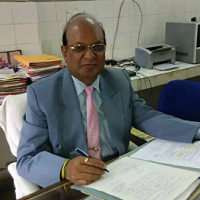
Dr. Rakesh Gupta
Retd. Joint. Director and A.C.E. HOD (Chemistry and Toxicology Dept.) SFSL, Raipur, Chhattisgarh

Shri. Arun Bothra IPS
Addl. DGP, Crime and Transport Commissioner Bhubaneswar, Odisha

Dr. Rakhi Agarwal
Professor and Dean Academics (I/C) National Forensic Sciences University Delhi Campus, Delhi

Dr. Kanhu Charan Satapathy
Associate Professor Dept. of Anthropology, Utkal University Bhubaneswar, Odisha
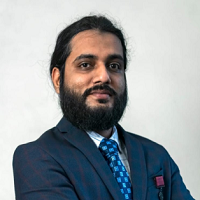
Dr. Pallab Das
Dean and Associate Professor, School of Law Centurion University of Technology and Management, Bhubaneswar, Odisha

Dr. Bhavna Mukund
Founding Head and Associate Professor Dept. of Clinical Psychology MAN College of Special Education and Psychological Studies, Guna, Madhya Pradesh
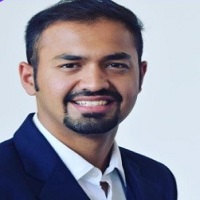
Dr. Sakshum Khanna
Associate Scientific Editor Elsevier New Delhi
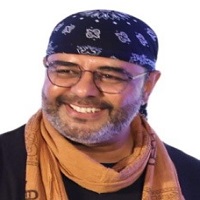
Shri. Harsh Raval
Co- Founder Cyber Dojo: The School of Cyber Defense Gandhinagar, Gujarat
Contact Us
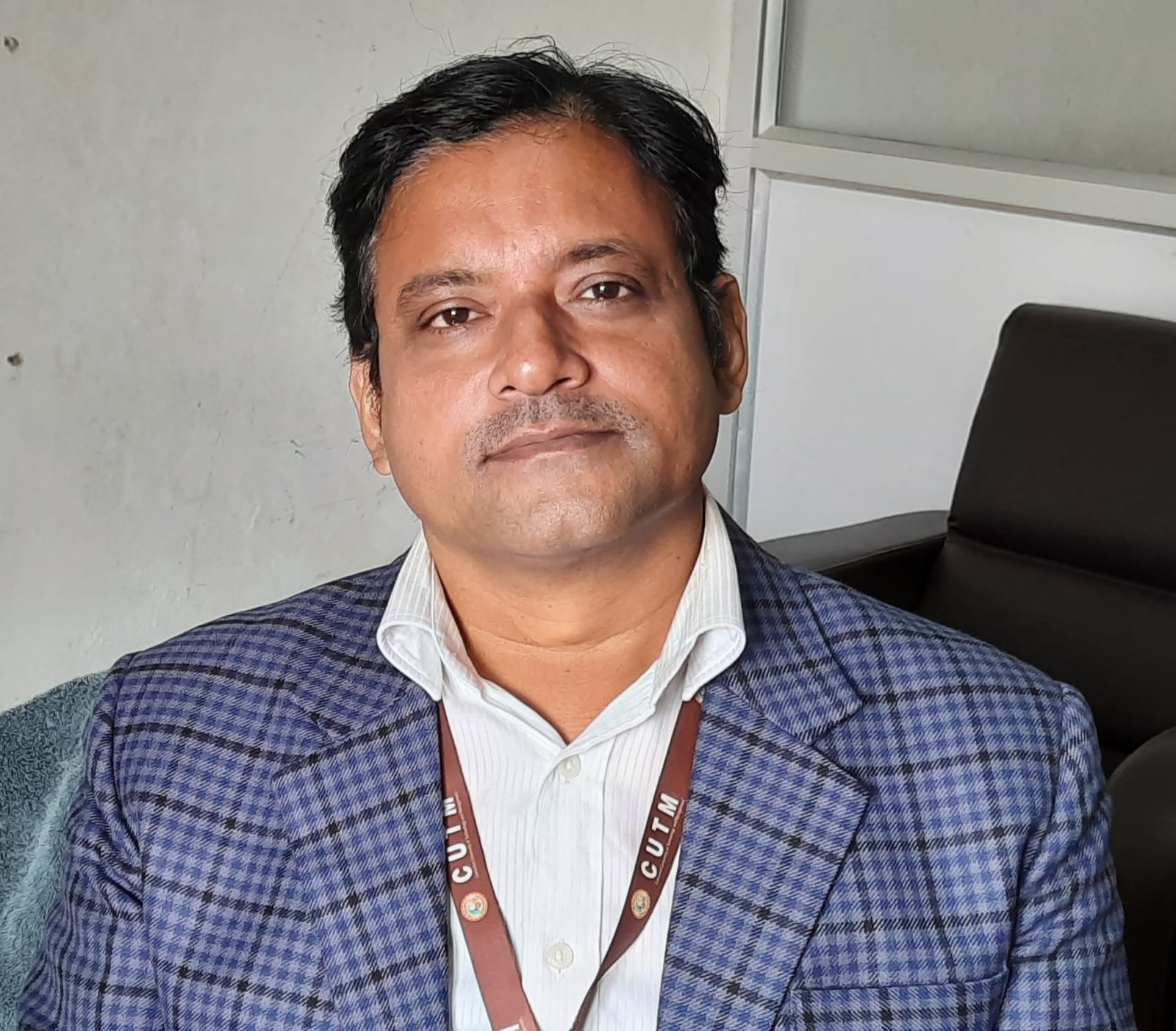
Dean, Dean, School of Pharmacy and Life Sciences, Centurion University of Technology and Management, Bhubaneswar, Odisha
- +91 9437280622
- +91 9348110393
- Centurion University of Technology & Management, Bhubaneswar (CUTM) Ramachandrapur, Jatni, Odisha 752050
Collaboration with CLINI INDIA

Important Dates
- Abstract Submission : 31stJanuary, 2024
- Acceptance Notification: 5th February, 2025
- Last Date of registration: 5th February, 2025
PRE- CONFERENCE WORKSHOP
The pre-conference workshop on “Hands-on Training on Oxford Nanopore Based Rapid Plasmid Sequencing & Data Analysis” will be held from the 19th of February 2025. The workshop aims to provide participants with practical knowledge and skills in the latest sequencing technology. Oxford Nanopore sequencing offers a unique approach to DNA analysis, enabling rapid, real-time sequencing of plasmids with minimal preparation time. This workshop will guide attendees through the entire process—from sample preparation and sequencing to data analysis, empowering them to effectively apply this cutting-edge technology in their research. Participants will also gain hands-on experience with bioinformatics tools for analyzing sequencing data, fostering a deeper understanding of the technology’s potential applications.



SUBMISSION GUIDELINES
ABSTRACT SUBMISSION
Abstract submission is now open.
For queries, contact- [email protected]
Participation registration is now closed.
ABSTRACT FORMAT
- Title
- Author’s name and Affiliation
- Abstract (250-300 words)
- Keywords (3-6 words)
FULL PAPER SUBMISSION
Abstract submission is open.
For queries, contact- [email protected]
Participation registration is now closed.
FULL PAPER FORMAT
- Title with subtitle
- Author’s name and Affiliation (including ORCID)
- Abstract
- Keywords
- Introduction
- Sections/Sub-sections
- Conclusion
Template for Abstract / Full Research Paper
Guidelines for preparing and structuring your research submission
Title
The title should be clear, concise, and descriptive of the research topic. It should accurately reflect the central focus of the study.
Author(s) and Affiliations
List the names of all authors and their affiliations, including universities, institutions, departments, and other relevant organizational details.
Abstract
Provide a concise summary of the research question, methods, key results, and conclusions. The abstract is typically 150–250 words.
Keywords
List relevant keywords that highlight the principal topics, concepts, methods, or subject areas addressed in the research.
Introduction
- Begin with a brief overview of the research topic and its significance.
- State the research problem or question that your study addresses.
- Provide a clear thesis statement or hypothesis.
Literature Review
- Review and summarize relevant literature related to your research topic.
- Identify gaps or areas where your study contributes to existing knowledge.
Methodology
- Describe the research methods and techniques used in your study.
- Explain the data collection process, including the instruments and materials used.
- Discuss the data analysis methods and statistical tools, if applicable.
Results
- Present your research findings in a clear and organized manner.
- Use tables, figures, and graphs to illustrate the data.
- Include descriptive and inferential statistics, if applicable.
- Provide a written interpretation of the results.
Discussion
- Interpret the results and discuss their implications.
- Relate the findings back to the research question or hypothesis.
- Address any limitations of the study.
- Suggest areas for future research.
Conclusion
- Summarize the main findings and their importance.
- Restate the thesis statement or research question.
- Provide a concise conclusion that follows logically from the study's results.
References
List all sources cited in the paper and follow a consistent citation style, such as APA, MLA, or Chicago, as required by the conference.
Appendices
Include supplementary materials, data, questionnaires, or other information that supports the research but is not central to the main body of the paper.
TEMPLATE FOR ABSTRACT /FULL RESEARCH PAPER
Title: The title should be clear, concise, and descriptive of the research topic.
Author(s): List the names of the author(s) and their affiliations (universities, institutions, etc.).
Abstract: Provide a concise summary of the entire paper, including the research question, methods, results, and conclusions. The abstract is typically 150-250 words.
Keywords: List a few keywords that highlight the main topics or concepts in your research.
Introduction:
- Begin with a brief overview of the research topic and its significance.
- State the research problem or question that your study addresses.
- Provide a clear thesis statement or hypothesis.
Literature Review:
- Review and summarize relevant literature related to your research topic.
- Identify gaps or areas where your study contributes to existing knowledge.
Methodology:
- Describe the research methods and techniques used in your study.
- Explain the data collection process, including the instruments and materials used.
- Discuss the data analysis methods and statistical tools, if applicable.
Results:
- Present your research findings in a clear and organized manner.
- Use tables, figures, and graphs to illustrate the data.
- Include descriptive and inferential statistics, if applicable.
- Provide a written interpretation of the results.
Discussion:
- Interpret the results and discuss their implications.
- Relate the findings back to the research question or hypothesis.
- Address any limitations of the study.
- Suggest areas for future research.
Conclusion
- Summarize the main findings and their importance.
- Restate the thesis statement or research question.
- Provide a clear and concise conclusion that follows logically from the study’s results.
References: List all the sources you cited in your paper following a specific citation style (e.g., APA, MLA, Chicago).
Appendices: Include any supplementary materials, data, or information that supports the research but is not central to the main body of the paper.